

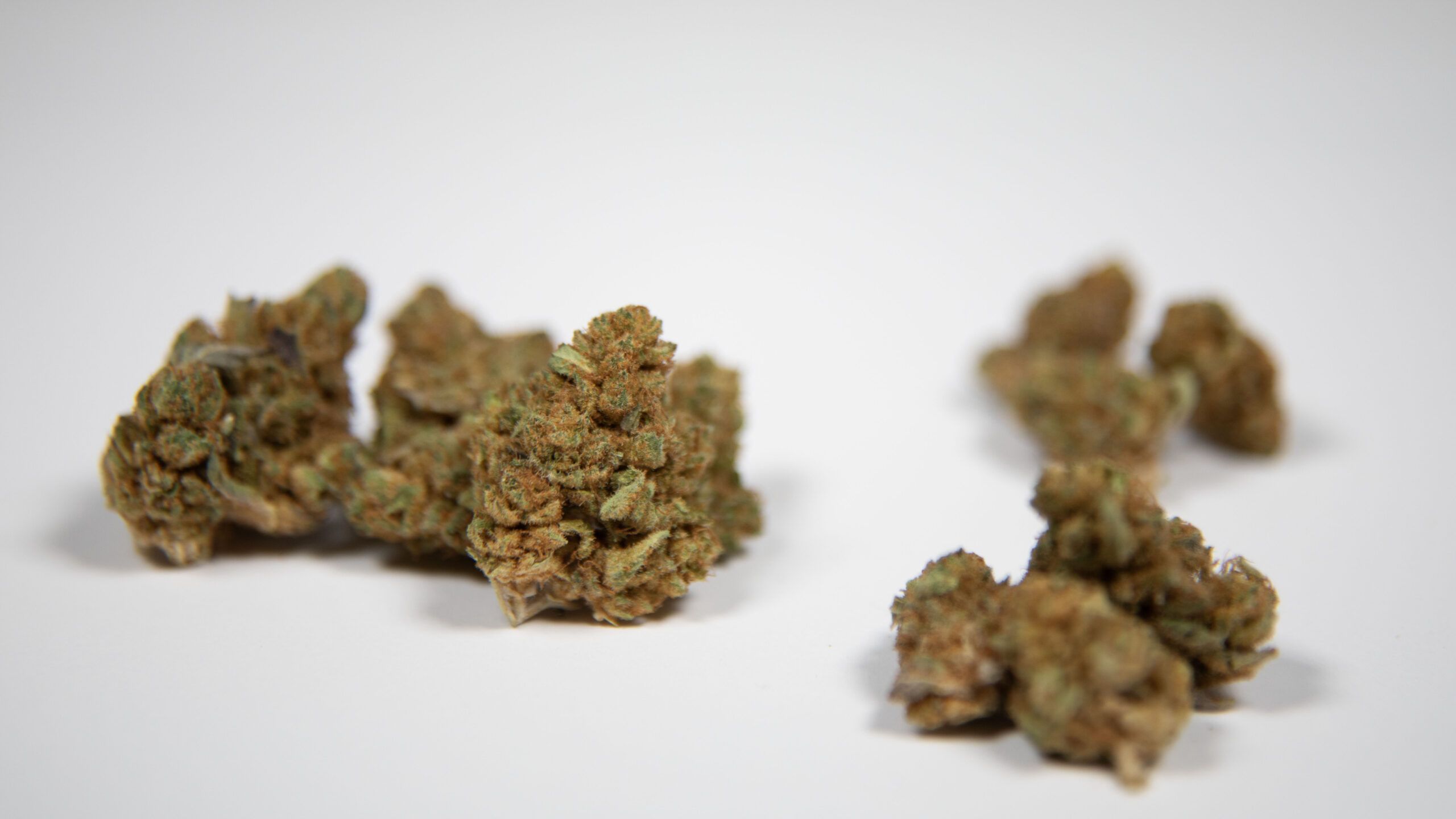
Minnesota joined the wave of adult-use legalization on May 30, 2023, when Gov. Tim Walz signed House File 100 (HF 100), making the state the 23rd in the U.S. to legalize recreational marijuana for adults.
Under the law, adult-use cannabis became legal on August 1, 2023, for people 21 and older, allowing possession, home growing, and eventually licensed retail sales.
Walz framed the move as both a justice and economic decision, saying at the signing:
“We’ve known for too long that prohibiting the use of cannabis hasn’t worked. By legalizing adult-use cannabis, we’re expanding our economy, creating jobs, and regulating the industry to keep Minnesotans safe.”
He also emphasized that legalization goes hand-in-hand with expungement of certain cannabis convictions, calling it “the right move for Minnesota.” WEBSITE PORTAL: mn.gov // Minnesota’s State Portal
What Became Legal – and When
Most core provisions of HF 100 took effect on August 1, 2023:
- Adults 21+ can possess up to 2 ounces of cannabis in public and up to 2 pounds at home.
- Adults can grow up to 8 plants at home (4 flowering at a time), out of public view. READ MORE: MPP
- Automatic or board-reviewed expungement began for many low-level cannabis offenses.
The law also created the Office of Cannabis Management (OCM) to write rules and license cultivators, manufacturers, and retailers. Regulators estimated it would take 12–18 months for a full commercial market to launch, and early guidance suggested non-tribal retail stores wouldn’t open until 2025.
In reality, non-tribal adult-use dispensaries didn’t begin sales until September 16, 2025, when OCM announced that licensed adult-use products were finally available at state-licensed shops.
Where Cannabis Sales Started: Tribal Lands Lead the Way
Even though adult possession and home grow were legal statewide starting August 1, 2023, there was initially nowhere off-reservation to buy legal cannabis. HF 100 anticipated that Minnesota’s tribal nations might move faster, because of their sovereign authority to regulate cannabis on their own lands. READ MORE: North Star Cannabis
That’s exactly what happened.
Red Lake Nation – NativeCare
- On August 1, 2023, the Red Lake Nation opened NativeCare, Minnesota’s first legal recreational cannabis dispensary, on the Red Lake Reservation in northern Minnesota.
- The shop began selling to any adult 21+, including non-tribal members, the same day adult-use became legal in the state. READ MORE: Greenspoon Marder LLP
White Earth and Other Tribal Stores
Soon after, White Earth Nation moved into the market as well, opening its own dispensary on tribal land and then pushing into off-reservation territory:
- White Earth and Red Lake both began recreational sales in August 2023, serving tribal and non-tribal adults. WEBSITE: Lakeland PBS
- In 2025, Walz signed a first-of-its-kind tribal-state cannabis compact allowing White Earth Nation to operate up to eight retail marijuana stores across Minnesota, including in cities like Moorhead and St. Cloud.
Other tribes, including the Leech Lake Band of Ojibwe, Prairie Island Indian Community, Mille Lacs Band, and Fond du Lac Band, have since signed cannabis compacts and launched or planned adult-use dispensaries—often becoming the first legal options near the Twin Cities and other population centers. READ MORE: GovDelivery
In short: legal sales began on tribal lands first, long before non-tribal shops came online.
Are Tribal Operators “Included” in Minnesota’s Cannabis Law?
The answer is yes—but on their own track.
HF 100 sets up the state regulatory system, but it also explicitly acknowledges tribal sovereignty and directs the governor to negotiate tribal-state cannabis compacts with any of the 11 tribal nations that share territory with Minnesota.
Key points:
- Tribes are not required to be licensed by the Office of Cannabis Management for activity on their own lands. Each nation can establish its own cannabis regulatory code and licensing system. READ MORE: North Star Cannabis
- Compacts create a legal bridge between tribal and state markets—covering issues like product testing, public health standards, tax treatment, and how tribal products can be sold off-reservation. READ MORE: League of Minnesota Cities
- Every compact must ensure that tribal standards meet or exceed state rules, especially around safety, testing, and packaging.
Gov. Walz has repeatedly framed these agreements as both an economic and respect-for-sovereignty issue, saying the compacts are meant to “strengthen public health and safety, secure an equitable and well-regulated cannabis market, and provide financial benefits to both the state and Tribal Nations.”
So while tribal operators aren’t folded into the state licensing queue like other businesses, they are very much part of Minnesota’s legalization framework—often on the leading edge of retail access.
Walz’s Vision: Justice, Jobs, and Learning from Other States
From the start, Walz positioned legalization as a multi-dimensional reform:
- Justice: Expunging low-level cannabis records and creating a Cannabis Expungement Board to repair some of the harm from past enforcement.
- Economic opportunity: “By legalizing adult-use cannabis, we’re expanding our economy and creating jobs,” he said at the signing ceremony.
- Public safety & regulation: Walz stressed that Minnesota looked carefully at other states’ experiences: “I assure Minnesotans that a lot of thought has gone into this. A lot of the things learned in other states are incorporated into how we do this…” READ MORE HERE: Minnesota Reformer
The inclusion of tribal nations—both through early, sovereign retail operations and formal compacts—has become one of the most distinctive features of Minnesota’s model. As of 2025, tribal dispensaries remain key anchors of the state’s young legal market, even as non-tribal shops gradually open across the state.
Bullet Points
- Legalization date: Adult-use cannabis became legal to possess and grow in Minnesota on August 1, 2023.
- First legal sales: Began on tribal lands (NativeCare at Red Lake and others) starting the same day.
- Statewide retail: Non-tribal dispensaries didn’t open until September 2025, after OCM built the licensing system.
- Tribal operators: Not folded into state licensing; instead, they participate under sovereign authority and tribal-state compacts, which Walz and lawmakers see as central to a fair, well-regulated market.